
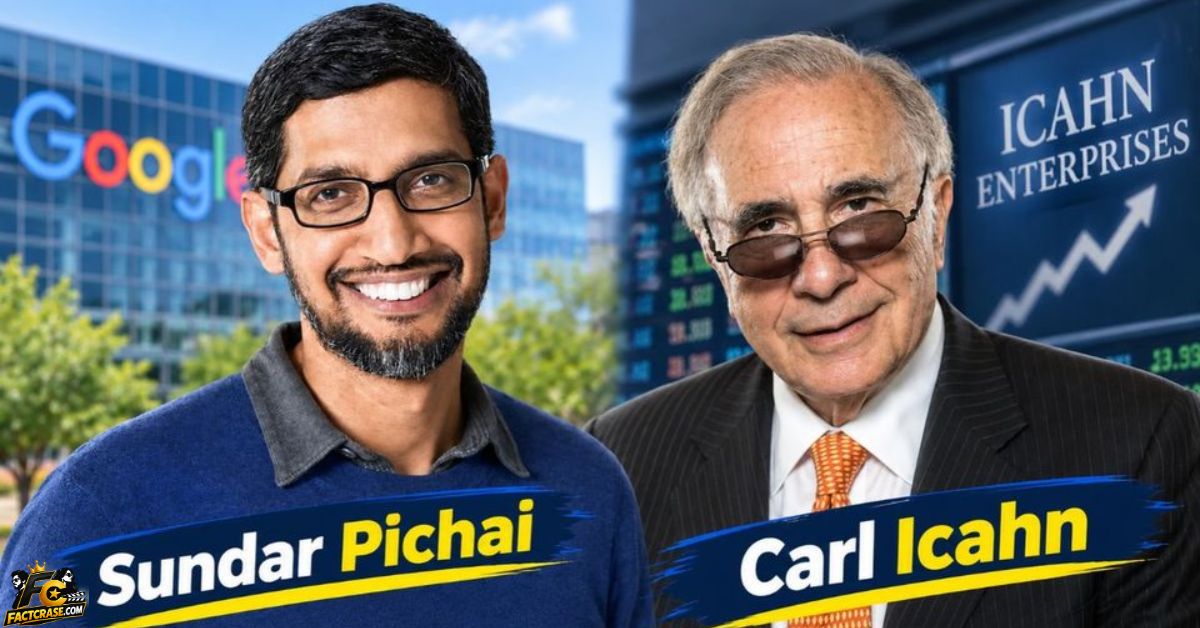

Sundar Pichai and Carl Icahn are influential figures in American business, but they built their reputations through very different roles. Pichai leads Google and its parent company, Alphabet, while Icahn is known for activist investing, corporate acquisitions, and shareholder campaigns. Their business histories intersect through Google’s $12.5 billion acquisition of Motorola Mobility in 2011. At the time, Icahn and his affiliates owned approximately 11% of Motorola Mobility, making him an important shareholder in the transaction. However, there is no documented business partnership between the two men. Understanding their connection requires examining the Motorola deal, Pichai’s technology career, Icahn’s investment strategy, and the available shareholder disclosures.
Are Sundar Pichai and Carl Icahn Business Partners?
No. There is no publicly documented evidence that Sundar Pichai and Carl Icahn are business partners, co-founders, or participants in a jointly operated company. Their professional responsibilities, investment activities, and corporate positions are fundamentally different.
Pichai is a technology executive responsible for Google’s products, business operations, and long-term technology strategy. Icahn, by contrast, is an activist investor who purchases significant stakes in companies and uses shareholder influence to push for financial or structural changes.
The confusion surrounding their relationship mainly comes from the 2011 Motorola Mobility transaction. Icahn was a major Motorola shareholder when Google pursued the acquisition. However, Pichai was not Google’s chief executive or the publicly identified lead negotiator at that time.
The distinction is important:
- Pichai: Focuses on technology execution, product development, corporate leadership, and business growth.
- Icahn: Focuses on investment returns, shareholder value, corporate governance, and strategic changes.
- Their connection: An indirect intersection through the Motorola transaction rather than an established personal or commercial partnership.
Therefore, the phrase Sundar Pichai and Carl Icahn business connection describes an intersection between their professional histories, not a direct business relationship.
The Motorola Mobility Deal Connects Their Business Histories
A major technology acquisition brought their separate corporate interests into the same business story.
Google’s acquisition of Motorola Mobility is the clearest historical connection between these two business figures. Announced on August 15, 2011, the transaction was designed to strengthen Google’s position in the smartphone industry and protect the Android ecosystem.
Google agreed to purchase Motorola Mobility for approximately $12.5 billion, offering $40 per share in cash. This represented a 63% premium over Motorola Mobility’s closing share price on August 12, 2011.
At the time, Google was competing in a rapidly changing mobile market. Apple had established the iPhone as a major smartphone platform, while Android manufacturers faced increasing patent disputes and intellectual property challenges.
Motorola Mobility offered Google two important advantages:
- An established smartphone manufacturer with experience in mobile hardware.
- A substantial patent portfolio that could strengthen Google’s position in technology disputes.
The Motorola patent portfolio included approximately 24,000 patents and patent applications worldwide, according to the company’s merger proxy statement.
The acquisition was therefore not simply a purchase of a phone manufacturer. It was also a strategic move involving intellectual property, Android licensing, and Google’s competitive position in mobile computing.
Carl Icahn owned about 11% of Motorola Mobility
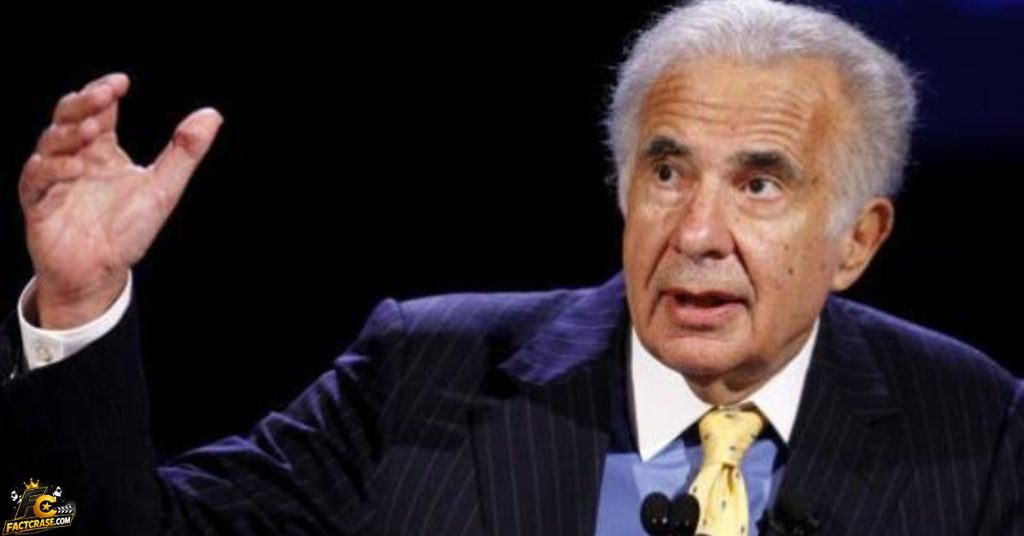
Carl Icahn was an important Motorola Mobility shareholder during the acquisition discussions. According to the company’s official SEC merger filing, Icahn and his affiliated investment entities beneficially owned approximately 11% of Motorola Mobility’s outstanding common stock in July 2011.
His position gave him meaningful influence as a shareholder, although it did not give him control over Google’s acquisition negotiations.
The merger proxy statement provides a particularly important detail: on July 20 and July 21, 2011, Icahn and Daniel Ninivaggi, a Motorola Mobility director designated by Icahn, contacted Sanjay Jha, the company’s chairman and chief executive.
They expressed their view that Motorola Mobility should explore alternatives for its patent portfolio.
This matters because it shows Icahn’s involvement in the company’s strategic direction before the acquisition announcement.
Daniel Ninivaggi served as an important link between Icahn’s investment interests and Motorola Mobility’s board. His position allowed him to communicate information and shareholder concerns within the company’s governance structure.
Icahn’s involvement reflected his established activist investing model: acquiring a meaningful ownership position and using that position to influence important corporate decisions.
Google was negotiating separately with Motorola
Google’s acquisition discussions followed a separate management and negotiation process.
The SEC merger filing identifies several Google executives involved in the discussions, including:
- Larry Page: Google’s chief executive at the time, who provided overall corporate leadership.
- Andy Rubin: Google’s senior vice president of mobile, who initiated discussions about patent protection and Android.
- Nikesh Arora: Google’s senior vice president and chief business officer, involved in strategic and commercial discussions.
- Kent Walker: Google’s senior vice president and general counsel, involved in legal and intellectual property matters.
- David Drummond: Google’s senior vice president of corporate development and chief legal officer, involved in acquisition discussions.
On July 6, 2011, discussions between Motorola’s Sanjay Jha and Google’s Nikesh Arora addressed Android protection and Motorola’s patent position.
Google later submitted an initial acquisition proposal of $30 per share on August 1. Following negotiations, the company increased its offer to $40 per share on August 9.
On August 14, Icahn communicated through Ninivaggi that he intended to support the proposed merger without requiring a voting agreement. The boards approved the agreement, and Google and Motorola announced the transaction on August 15.
These details establish two separate but connected developments:
- Icahn encouraged Motorola to examine the strategic value of its patents.
- Google independently negotiated with Motorola’s leadership to acquire the company.
Icahn’s shareholder involvement formed part of the wider corporate environment surrounding the transaction, but it does not establish that he personally negotiated Google’s purchase price or directed Google’s acquisition strategy.
Was Sundar Pichai Involved in Negotiating the Motorola Acquisition?
There is no documented evidence that Sundar Pichai personally negotiated Google’s acquisition of Motorola Mobility.
The distinction becomes clear when examining Pichai’s position in 2011. He had already joined Google in 2004 and was developing his reputation as a technology executive. However, he was not Google’s CEO when the Motorola transaction was negotiated.
The SEC’s merger proxy statement identifies the executives who participated in the important strategic meetings and acquisition negotiations. These included Larry Page, Andy Rubin, Nikesh Arora, Kent Walker, and David Drummond.
Pichai is not identified as one of the principal negotiators in that documented transaction history.
This does not mean he had no connection to Google’s broader Android business. He was working within Google during the Android era and later became one of the company’s most influential product leaders.
However, being part of Google’s management structure is different from personally negotiating a major corporate acquisition.
The available evidence supports three conclusions:
- Pichai worked at Google when the acquisition happened.
- The documented negotiation process involved other senior executives.
- No reliable public record establishes direct negotiations between Pichai and Icahn.
Consequently, claims suggesting that Pichai personally negotiated with Icahn over Motorola should not be presented as established facts.
Sundar Pichai’s Career Took a Different Route
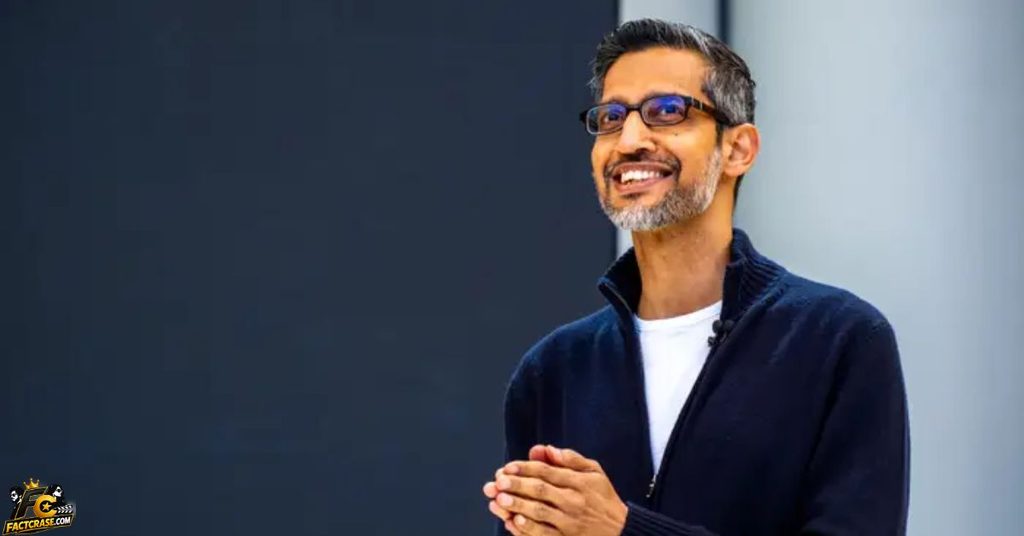
Sundar Pichai built his career through engineering, product development, and executive leadership. Born in Chennai, India, he studied at the Indian Institute of Technology Kharagpur before earning an advanced degree from Stanford University and an MBA from Wharton.
He joined Google in 2004, initially working on products that helped improve the company’s online services.
His career developed through several important milestones:
| Year | Career development |
| 2004 | Joined Google |
| 2008 | Helped lead the launch of Google Chrome |
| 2013 | Took leadership of Android |
| 2014 | Assumed wider product and engineering responsibilities |
| October 2015 | Became Google CEO |
| December 2019 | Became Alphabet CEO |
Pichai’s leadership responsibilities expanded as Google became more than a search engine company.
His work touched major products and platforms, including:
- Android: Google’s mobile operating system and a central part of its smartphone strategy.
- Chrome: A widely used web browser.
- Search: Google’s core information discovery service.
- Maps: A global navigation and location platform.
- Gmail: Google’s email service.
- Google Workspace: Business productivity tools for communication and collaboration.
As Alphabet CEO and Google CEO, Pichai oversees a much broader technology organization than the company he joined in 2004.
By 2026, artificial intelligence strategy has become a central part of Google’s competitive direction, including AI-powered Search, Gemini, cloud computing, and productivity services.
His professional influence comes primarily from executive authority, product decisions, technology investment, and the ability to coordinate large teams.
This makes Pichai an example of an operator who builds and manages technology businesses rather than an investor who primarily influences companies through share ownership.
Carl Icahn Built His Career From the Investor Side
Carl Icahn developed his reputation through corporate investing, shareholder activism, and strategic involvement in publicly traded companies. Unlike Pichai, who advanced through technology management, Icahn built influence by purchasing company shares and challenging management decisions when he believed changes could improve shareholder value.
He graduated from Princeton University in 1957 with a degree in philosophy. After attending medical school at New York University and serving in the Army, he began his Wall Street career in 1961.
In 1968, he established Icahn & Co., a securities firm focused on arbitrage and options trading. He subsequently became known for taking significant positions in businesses and using shareholder influence to encourage changes.
Understanding Icahn’s investment structure
Two important organizations associated with his investment activities are:
Icahn Enterprises: A diversified holding company with interests in areas such as energy, automotive, investment, real estate, and other industries. Icahn has served as its chairman and controlling investor.
Icahn Capital: An investment management organization associated with managing investment funds and reporting certain securities positions.
These organizations are relevant because Icahn’s corporate influence often operates through affiliated investment entities rather than through a conventional executive position at the companies he targets.
His investment history includes involvement with businesses such as:
| Company | Industry | Business relevance |
| CVR Energy | Energy | Refining and petroleum-related investments |
| Caesars Entertainment | Hospitality | Corporate investment and restructuring interests |
| JetBlue Airways | Aviation | Shareholder activism and governance concerns |
| EchoStar | Telecommunications | Investment and strategic corporate interests |
| International Flavors & Fragrances | Chemicals and ingredients | Shareholder influence and business strategy |
| Motorola Mobility | Technology | Major shareholder during Google’s acquisition |
Icahn’s investment activity demonstrates how a shareholder can influence corporate decisions without becoming the company’s chief executive.
How shareholder activism works
Shareholder activism is an investment approach in which investors use their ownership rights to encourage changes within a company.
An activist investor may:
- Purchase a substantial number of company shares.
- Review the company’s financial performance and corporate strategy.
- Communicate concerns to directors and senior management.
- Recommend operational changes, asset sales, or restructuring.
- Seek board representation or shareholder support for particular proposals.
This approach can create pressure on directors or management, especially when an investor has a significant ownership position.
Icahn’s involvement with Motorola Mobility illustrates this model. His approximately 11% ownership position gave him a meaningful financial interest in the company’s patent strategy and eventual acquisition.
His career shows that corporate influence does not always require an executive title. Share ownership, investment capital, and shareholder support can also shape important business decisions.
Sundar Pichai vs. Carl Icahn: Two Forms of Corporate Influence
The most important difference between these business figures is how they create and exercise influence.
Pichai is an operator, while Icahn is an investor. One leads a global technology organization through executive authority; the other influences businesses through capital allocation, ownership positions, and shareholder activism.
The following comparison explains their different professional approaches.
| Comparison | Sundar Pichai | Carl Icahn |
| Main profession | Technology executive | Activist investor |
| Primary organization | Google and Alphabet | Icahn Enterprises and affiliated investment entities |
| Career foundation | Engineering and product management | Securities trading and investing |
| Education | IIT Kharagpur, Stanford, Wharton | Princeton University |
| Main influence | Executive leadership | Shareholder ownership and activism |
| Business focus | Technology, AI, products, and services | Investment returns and corporate value |
| Leadership approach | Manages teams and business operations | Pressures companies for strategic changes |
| Famous connection to Motorola | Google executive during the acquisition period | Approximately 11% shareholder |
| Corporate objective | Long-term technology growth and business development | Improving investment and shareholder value |
Operator vs. investor
Pichai’s authority comes from his leadership position. He helps determine how Google develops its products, allocates technology resources, competes in digital markets, and expands its artificial intelligence capabilities.
Icahn’s influence comes from investment ownership. He can use shareholder voting rights, public campaigns, negotiations, and board-level representation to encourage corporate changes.
These approaches are different but can intersect during major transactions.
For example, a technology executive may pursue an acquisition to strengthen a company’s products or intellectual property. An activist investor holding shares in the target company may evaluate the same transaction based on financial returns, valuation, and shareholder benefits.
That was the broader dynamic surrounding Motorola Mobility.
Why their approaches matter in 2026
The difference between executive leadership and shareholder activism remains important in modern corporate governance.
Technology companies face major investment decisions involving artificial intelligence, cloud infrastructure, cybersecurity, intellectual property, and global competition.
Executives such as Pichai must balance innovation, profitability, regulation, and long-term business development.
Activist investors such as Icahn focus on whether management decisions create sufficient value for shareholders.
Neither approach automatically guarantees success. Strong executive leadership can support innovation, while effective shareholder activism can expose poor financial decisions. However, excessive pressure for short-term returns can sometimes conflict with long-term investment.
Their careers demonstrate two different ways individuals can influence the direction of major corporations.
Does Carl Icahn Own Alphabet Stock?
Whether Carl Icahn owns Alphabet stock requires careful examination of public investment disclosures.
Alphabet is Google’s parent company and trades publicly under the GOOG and GOOGL ticker symbols. As an investor, Icahn could potentially purchase its shares through an investment fund or another investment vehicle.
However, the available SEC filing information does not establish that he currently holds a reportable Alphabet position.
A useful source for checking institutional investment activity is Form 13F, a quarterly disclosure filed with the SEC (U.S. Securities and Exchange Commission) by certain institutional investment managers.
The quarter ended June 30, 2026, is particularly relevant because Carl Icahn’s Form 13F was filed on August 14, 2026.
The reported portfolio contained 12 positions, including:
- Icahn Enterprises
- CVR Energy
- CVR Partners
- International Flavors & Fragrances
- EchoStar
- JetBlue Airways
- Caesars Entertainment
Alphabet was not listed among those reported positions.
This means the filing does not show a reportable Alphabet stock holding for that reporting period. However, it would be inaccurate to conclude that Icahn has absolutely no exposure to Alphabet under every possible ownership arrangement.
Form 13F has limitations. It generally reports specified long positions in securities on the reporting manager’s list. It does not provide a complete record of every private investment, short position, or transaction conducted outside the reporting requirements.
The 2026 Alphabet proxy statement and other ownership disclosures can also provide information about significant shareholders and corporate governance.
The most accurate conclusion: There is no confirmed Alphabet position in the cited June 30, 2026, Icahn 13F portfolio. Therefore, describing him as a verified current Alphabet shareholder would go beyond the available evidence.
This distinction is important when discussing the Sundar Pichai and Carl Icahn relationship because their historical connection through Motorola should not be confused with a current investment relationship involving Alphabet.
Frequently Asked Questions
Are Sundar Pichai and Carl Icahn related?
No. There is no publicly documented family or personal relationship between them. They are separate business figures with different professional backgrounds. Pichai is a technology executive, while Icahn is an American activist investor.
Have Sundar Pichai and Carl Icahn worked together?
There is no verified public evidence that they worked together on a joint business project or maintained a professional partnership. Their indirect intersection comes from Google’s acquisition of Motorola Mobility, where Icahn was a major shareholder and Pichai was a Google executive.
Did Carl Icahn help Google buy Motorola Mobility?
Icahn was involved in Motorola Mobility’s strategic discussions before the acquisition. He and Daniel Ninivaggi encouraged Motorola to explore alternatives for its patent portfolio. However, Google’s acquisition negotiations were conducted by its executives and Motorola’s management. Icahn subsequently indicated his intention to support the merger.
Did Sundar Pichai negotiate with Carl Icahn over Motorola?
No publicly available merger documentation identifies Pichai as a negotiator with Icahn. The documented discussions involved Google’s Larry Page, Andy Rubin, Nikesh Arora, Kent Walker, and David Drummond, alongside Motorola executives and advisers.
Is Carl Icahn an Alphabet shareholder?
The available June 30, 2026, Form 13F filing does not list Alphabet among Icahn’s reported holdings. However, this disclosure alone cannot establish every possible form of ownership or investment exposure.
What is the main difference between Pichai and Icahn?
Pichai leads a global technology business through executive authority, product strategy, and operational decisions. Icahn influences companies through share ownership, investment decisions, corporate governance, and shareholder activism. The simplest distinction is that Pichai is an operator, whereas Icahn is an investor.
Conclusion
The real relationship between these two business figures is based on an indirect corporate connection rather than a personal partnership. The 2011 Motorola Mobility acquisition brought their professional interests into the same transaction, but they participated from different positions.
Sundar Pichai was building his career within Google’s technology organization, while Carl Icahn was an influential Motorola shareholder who encouraged the company to consider alternatives for its patent portfolio.
The Sundar Pichai and Carl Icahn business connection is therefore best understood through their different roles in the same corporate history. Pichai represents technology leadership, innovation, and long-term business execution. Icahn represents shareholder activism, investment strategy, and corporate influence.
There is no verified evidence that Sundar Pichai and Carl Icahn became business partners or personally negotiated the Motorola acquisition. Their histories instead demonstrate how executives and investors can influence major corporate transactions in different ways.
Ultimately, understanding Sundar Pichai and Carl Icahn requires separating documented business involvement from assumptions about their relationship. Their connection is historical and indirect, not a confirmed ongoing partnership.