
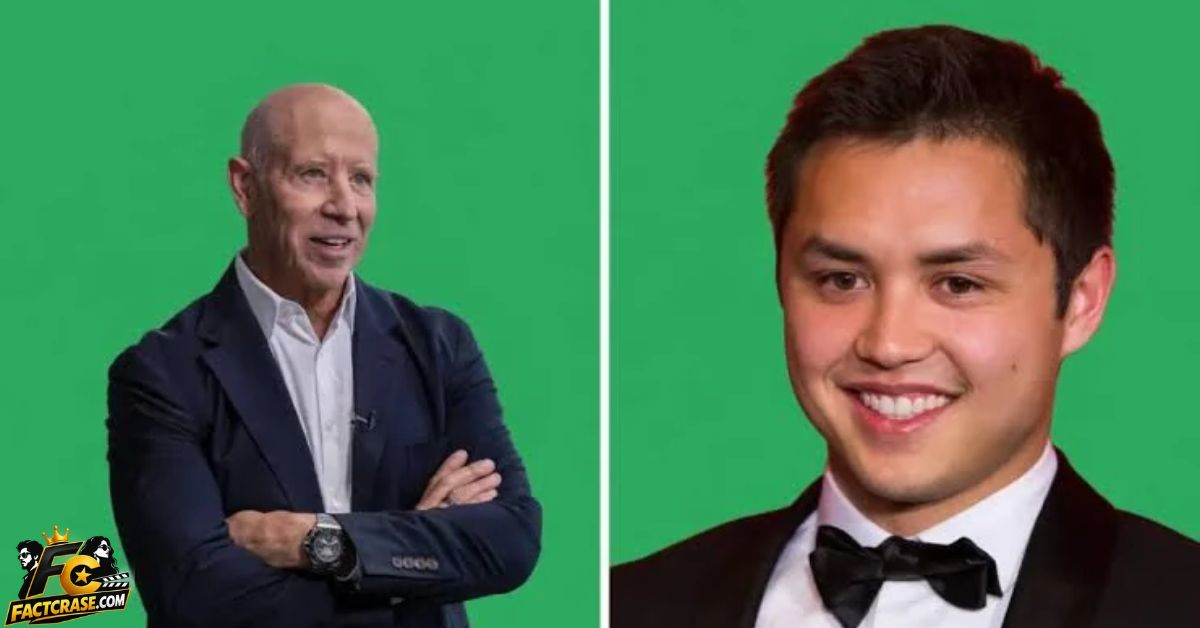

Barry Sternlicht and Bobby Murphy are two influential American entrepreneurs who built successful businesses in entirely different industries. Sternlicht is the founder of Starwood Capital Group and a major figure in real estate investment, hospitality, and hotel brands such as W Hotels, Westin, and 1 Hotels. Bobby Murphy, also known as Robert Murphy, is the co-founder and chief technology officer of Snap Inc., the company behind Snapchat, alongside Evan Spiegel.
Both entrepreneurs have achieved considerable financial success through business ownership, strategic investments, and innovation. However, their careers, companies, education, and sources of personal wealth differ significantly, making their professional journeys an interesting comparison in modern entrepreneurship.
Barry Sternlicht and Bobby Murphy at a Glance
| Detail | Barry Sternlicht | Bobby Murphy |
| Full name | Barry Stuart Sternlicht | Robert Cornelius Murphy |
| Known as | Barry Sternlicht | Bobby Murphy |
| Industry | Real estate and hospitality | Consumer technology |
| Best known for | Founding Starwood Capital Group | Co-founding Snap Inc. |
| Major company | Starwood Capital Group | Snap Inc. |
| Co-founder | Starwood Capital Group | Snap Inc. |
| Education | Brown University | Stanford University |
| Postgraduate education | Harvard Business School, MBA | No widely reported MBA |
| Business focus | Property investing and hotel brands | Software and social media |
| Major achievement | Building a global real estate investment platform | Developing Snapchat with Evan Spiegel |
| Leadership | Chairman and CEO of Starwood Capital Group | Snap co-founder and chief technology officer |
Both entrepreneurs illustrate how specialized knowledge can become the foundation of a successful company. Sternlicht applied financial expertise to real estate investment and hospitality, whereas Murphy used his technical education to develop consumer technology.
Are Barry Sternlicht and Bobby Murphy Connected?
There is no established public evidence that Barry Sternlicht and Bobby Murphy are relatives, business partners, or co-founders of a shared company. Their connection is primarily based on comparisons of their careers, entrepreneurial achievements, business ownership, and personal net worth.
Barry Sternlicht and Bobby Murphy built their professional identities in separate industries. Sternlicht operates in real estate investment and hospitality through Starwood Capital Group and related businesses. Murphy works in consumer technology through Snap Inc., the publicly traded company responsible for Snapchat.
Their companies also have different business models:
- Starwood Capital Group: An investment firm that manages capital and invests in real estate and related assets.
- Snap Inc.: A technology company that develops Snapchat, augmented reality products, and other digital services.
- Starwood Hotels & Resorts Worldwide: A former hotel company associated with hospitality brands such as W Hotels, Westin, and Sheraton.
- Snapchat: A social media and messaging application that generates most of its revenue through advertising.
The similarity between their professional stories is their ability to identify opportunities and build businesses around them. However, their corporate histories should not be confused simply because they share entrepreneurial recognition and the Starwood and Snap names appear in discussions about their careers.
Barry Sternlicht: From Property Investing to Hotel Brands
Barry Sternlicht is an American businessman, real estate investor, and hospitality entrepreneur. He is best known for founding Starwood Capital Group in 1991 and developing Starwood Hotels & Resorts Worldwide into an influential international hotel company.
His early business success came during a difficult period for the American property market. The savings and loan crisis created opportunities to purchase distressed real estate and financial assets at attractive prices. Sternlicht recognized that financial difficulties in the property sector could create investment opportunities for firms with sufficient capital and a long-term strategy.
Building Starwood Capital Group
Sternlicht founded Starwood Capital Group in 1991 as a private investment firm focused on real estate. The company initially concentrated on distressed property investments and opportunity funds, which allowed investors to participate in assets that could potentially increase in value through restructuring, management improvements, or changing market conditions.
One important development came in 1993, when Starwood’s first opportunity funds contributed most of their multifamily portfolio to Equity Residential. Equity Residential became one of America’s largest publicly traded apartment owners. This transaction helped establish Sternlicht’s reputation in real estate investment.
Starwood Capital Group subsequently expanded into several property categories, including:
- Residential apartments and multifamily housing.
- Hotels and hospitality properties.
- Office buildings and commercial real estate.
- Industrial and logistics properties.
- Retail and mixed-use developments.
- Real estate lending and credit investments.
The firm’s investment strategy combines property acquisition, financing, asset management, and long-term portfolio development.
According to the company’s published history, Starwood Capital Group has raised more than $95 billion in capital and invested in assets worth more than $285 billion over its history. These figures describe the firm’s cumulative investment activity, not its current cash balance or Barry Sternlicht’s personal wealth.
From Investment Firm to Hospitality Leadership
Sternlicht’s experience in real estate helped him identify opportunities in the hotel industry. In 1995, Starwood Capital created Starwood Hotels & Resorts Worldwide, with Sternlicht serving as its chairman and CEO.
The company expanded through acquisitions and developed a portfolio of recognized hospitality brands. Its growth included the acquisition of Westin Hotels & Resorts and, later, ITT Sheraton in a major transaction completed in 1998.
Sternlicht’s approach was not limited to purchasing hotel properties. He understood that hotel brands could create additional value through customer recognition, service standards, design, and consistent guest experiences.
One notable innovation was the introduction of the W Hotels concept. The first W Hotel opened in New York in 1998, offering a modern lifestyle-oriented alternative to traditional luxury accommodation.
Another recognizable innovation associated with his leadership was the Heavenly Bed at Westin. The product helped make the sleeping experience an important part of the hotel’s identity and marketing strategy.
These developments demonstrate how Sternlicht combined property investing with brand development to build a competitive hospitality business.
Understanding the Different Starwood Companies
One important distinction in Sternlicht’s business history is that several companies have used the Starwood name. They are related to his professional legacy, but they are not interchangeable.
| Company | Main business | Important distinction |
| Starwood Capital Group | Real estate investment | Sternlicht’s investment firm, founded in 1991 |
| Starwood Hotels & Resorts Worldwide | International hotel operations | Created in 1995 and acquired by Marriott |
| Starwood Property Trust | Real estate finance | A publicly traded mortgage REIT associated with Sternlicht |
| Starwood Hotels | Modern hospitality company | Rebranded from SH Hotels & Resorts in March |
The distinction matters because the sale of Starwood Hotels & Resorts Worldwide did not mean that Marriott purchased Starwood Capital Group.
Starwood Hotels (SH Hotels & Resorts rebrand) represents another chapter in Sternlicht’s hospitality career. On March 5, the company formerly known as SH Hotels & Resorts announced that it would operate under the Starwood Hotels name. It manages a different collection of hospitality brands, including 1 Hotels, Baccarat Hotels, and Treehouse Hotels.
These brands target different customer preferences:
- 1 Hotels: A luxury hospitality brand focused on sustainability, nature-inspired design, and environmentally conscious experiences.
- Baccarat Hotels: A luxury hotel brand associated with the historic French crystal manufacturer Baccarat and high-end design.
- Treehouse Hotels: A lifestyle hospitality brand built around playful design, relaxed experiences, and distinctive accommodation.
This modern Starwood Hotels business should not be confused with the former publicly traded Starwood Hotels & Resorts Worldwide acquired by Marriott International.
Bobby Murphy: The Technology Co-Founder Behind Snap
Bobby Murphy, whose full legal name is Robert Cornelius Murphy, is an American technology entrepreneur and co-founder of Snap Inc. He is best known for helping develop Snapchat, a social media and messaging application that introduced disappearing messages and visual communication features to a global audience.
Murphy developed his technical skills at Stanford University, where he studied mathematical and computational science. His education provided a foundation in mathematics, programming, and software development.
He later worked with Evan Spiegel, another Stanford student, on the technology that became Snapchat. Their collaboration combined Spiegel’s product and business ideas with Murphy’s software engineering abilities.
Founding Snapchat and Snap Inc.
Snapchat emerged in 2011 as a mobile application centered on photographs that disappeared after being viewed. This approach offered a different experience from traditional social networks, where posts were generally designed to remain visible.
The platform gradually expanded beyond disappearing photographs and messages. It introduced features such as:
- Stories for sharing photographs and videos.
- Lenses and augmented reality effects.
- Discover for viewing publisher and creator content.
- Spotlight for short-form videos.
- Snap Map for location-based social experiences.
- Messaging and video communication tools.
Snap Inc. became the parent company behind Snapchat and its wider technology products. It went public in 2017, making it a publicly traded company on the New York Stock Exchange.
Murphy’s role has remained closely connected to the company’s technology operations.
Murphy’s Role as Chief Technology Officer
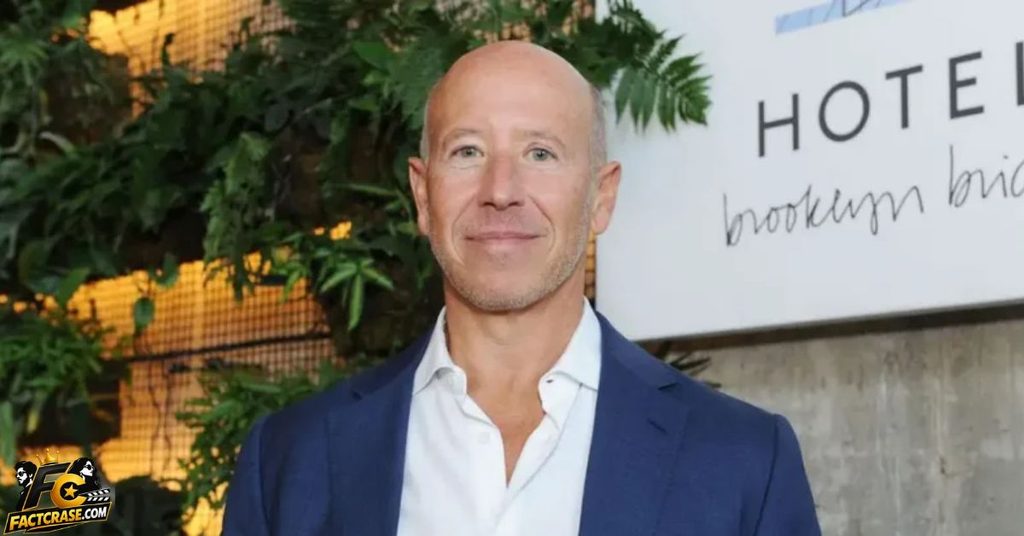
According to Snap’s corporate filings, Murphy has served as its chief technology officer (CTO) and a member of its board of directors since May 2012.
A CTO is a senior executive responsible for guiding an organization’s technology direction. The role can include overseeing software development, engineering teams, technical infrastructure, and product innovation.
Murphy’s responsibilities are particularly relevant because Snap operates a platform that depends on software, mobile technology, digital communication, and augmented reality.
Evan Spiegel serves as Snap’s chief executive officer (CEO), while Murphy serves as CTO. Their responsibilities are different, although both remain co-founders and influential company leaders.
This distinction answers an important question: Murphy is not Snapchat’s CEO. He is the co-founder and chief technology officer of its parent company, Snap Inc.
How Their Businesses Make Money
The business models of Sternlicht and Murphy differ because real estate investment and consumer technology generate income in different ways.
Sternlicht’s businesses are connected to physical assets, investment management, property financing, and hospitality. Murphy’s business interests are primarily connected to software, digital advertising, and technology products.
How Starwood Capital Group Generates Revenue
Starwood Capital Group operates as a private alternative investment firm. It raises and manages capital from institutional investors, pension funds, high-net-worth individuals, and other investment partners.
Its financial activities can include:
- Investment management fees: Revenue earned for managing investment funds and portfolios.
- Performance-based compensation: Potential earnings linked to investment returns and fund performance.
- Real estate transactions: Gains from selling properties or investments at higher values.
- Property operations: Income associated with rental properties, hotels, and other real estate assets.
- Real estate financing: Returns generated through lending and credit-related investments.
Property performance depends on several factors, including occupancy, rents, operating expenses, borrowing costs, purchase price, and financing structure.
For example, an apartment building may generate rental income every month. However, its actual investment return depends on the cost of purchasing the building, maintenance expenses, debt payments, taxes, and the rental income collected.
How Snap Inc. Generates Revenue
Snap Inc. primarily generates revenue through digital advertising. Businesses pay to display advertisements to Snapchat users through different placements and formats.
Advertising products include:
- Sponsored Snaps.
- Story advertisements.
- Video advertisements.
- Augmented reality advertising experiences.
- Sponsored Lenses and other interactive promotions.
Snap also generates revenue from subscription products, including Snapchat+, which provides paying users with additional features.
Snap reported approximately $5.93 billion in total revenue in its latest full-year financial reporting available for this comparison. Advertising represented approximately 87%–88% of that revenue.
However, corporate revenue is not the same as personal income. Snap’s operating expenses, research and development spending, employee compensation, and other costs affect its profitability.
The difference between the two businesses is straightforward: Sternlicht’s investment activities are closely tied to property values and financing, while Murphy’s technology business depends heavily on user engagement, advertising demand, and software development.
Personal Wealth, Company Assets, and Voting Control
Personal net worth is an important part of the public interest surrounding these entrepreneurs. However, comparing their wealth requires understanding the difference between personal investments, company assets, assets under management, and voting power.
Barry Sternlicht’s Personal Net Worth
Barry Sternlicht’s personal net worth is estimated at approximately $3 billion according to Forbes’ real-time billionaire profile in October 2026.
His wealth is associated with his ownership interests, investments, and leadership positions across several businesses. These include Starwood Capital Group, Starwood Property Trust, and hospitality-related ventures.
It is important to distinguish between the value of assets managed by Starwood Capital Group and Sternlicht’s personal wealth. The investment firm manages money belonging to institutional investors and other clients. Its assets under management do not represent money Sternlicht personally owns.
Starwood Capital Group reported managing more than $125 billion in assets in its 2026 corporate and executive biographies. This figure represents investment assets managed on behalf of partners and clients rather than the founder’s individual fortune.
Bobby Murphy’s Personal Net Worth
Bobby Murphy’s personal net worth is estimated at approximately $1.7 billion according to Forbes’ real-time estimate in October 2026.
His wealth is primarily connected to his ownership of Snap Inc. shares and the value of his investments. As a co-founder of a publicly traded technology company, his financial position can change with Snap’s stock price and changes in his shareholding.
The distinction between economic ownership and voting control is particularly important in Snap’s corporate structure.
Comparing Their Estimated Wealth
The following table provides an approximate comparison based on publicly available wealth estimates.
| Financial detail | Barry Sternlicht | Bobby Murphy |
| Estimated personal net worth | $3 billion | $1.7 billion |
| Main wealth source | Real estate and investment businesses | Snap Inc. equity |
| Main company | Starwood Capital Group | Snap Inc. |
| Industry | Real estate and hospitality | Technology |
| Wealth structure | Private business interests and investments | Public company shares and investments |
| Financial influence | Investment management and real estate | Technology ownership and voting rights |
These figures are estimates rather than audited personal financial statements. Stock prices, private business valuations, debt, taxes, and investment changes can affect individual wealth calculations.
Understanding Snap’s Voting Control
Snap Inc. has a multi-class share structure that separates economic ownership from voting power.
Its share classes include:
- Class A shares: Generally carry no voting rights.
- Class B shares: Carry one vote per share.
- Class C shares: Carry ten votes per share.
This structure gives the company’s founders considerably more influence over shareholder decisions than their economic ownership percentages alone might suggest.
Snap’s annual report for the year ended December 31, 2025, disclosed that Evan Spiegel and Robert Murphy together controlled more than 99% of the company’s voting power.
That figure demonstrates the importance of voting control in corporate governance. It does not mean that the two founders own 99% of Snap’s economic value.
Frequently Asked Questions
What is Barry Sternlicht best known for?
Barry Sternlicht is best known for founding Starwood Capital Group in 1991 and creating Starwood Hotels & Resorts Worldwide in 1995.
He helped develop major hospitality brands, including W Hotels, and played an important role in expanding Westin and Sheraton through acquisitions and business development.
He is also associated with Starwood Property Trust and the modern Starwood Hotels business, which includes 1 Hotels, Baccarat Hotels, and Treehouse Hotels.
His career combines property investment, hospitality management, real estate finance, and entrepreneurship.
Is Bobby Murphy the CEO of Snapchat?
No. Bobby Murphy is the co-founder and chief technology officer of Snap Inc., the parent company of Snapchat.
Evan Spiegel is Snap’s co-founder and CEO. Murphy has served as CTO and a board director since May 2012.
Their responsibilities differ:
- Evan Spiegel leads the company as CEO and oversees its broader business direction.
- Bobby Murphy leads technology-related work as CTO and contributes to the company’s technical development.
Therefore, describing Murphy as Snapchat’s CEO would be inaccurate.
Are Bobby Murphy and Robert Murphy the same person?
Yes. Bobby Murphy and Robert Murphy refer to the same person.
His full name is Robert Cornelius Murphy, but he is commonly known as Bobby Murphy in business profiles and media coverage.
Snap Inc.’s official corporate filings use the name Robert Murphy when identifying him as the company’s co-founder, CTO, and director.
This explains why searches for Robert Murphy sometimes produce information about the Snapchat co-founder rather than another person with the same name.
Did Marriott buy Starwood Capital Group?
No. Marriott International did not purchase Starwood Capital Group.
On September 23, 2016, Marriott International completed its acquisition of Starwood Hotels & Resorts Worldwide.
The acquisition brought major hospitality brands, including Westin, Sheraton, and W Hotels, into Marriott’s international hotel portfolio.
Starwood Capital Group remained a separate investment firm founded and led by Barry Sternlicht.
The difference is important:
- Starwood Capital Group: A private real estate investment firm.
- Starwood Hotels & Resorts Worldwide: The former hotel company acquired by Marriott.
- Marriott International: The hospitality company that completed the acquisition.
The acquisition involved the hotel business, not Sternlicht’s entire investment firm or all businesses using the Starwood name.
Where did Sternlicht and Murphy go to college?
Barry Sternlicht attended Brown University, where he earned his undergraduate degree. He later completed an MBA at Harvard Business School.
Bobby Murphy attended Stanford University and earned a bachelor’s degree in mathematical and computational science.
Their educational backgrounds reflect their different professional interests. Sternlicht developed a foundation in business and finance, while Murphy gained technical and mathematical knowledge that supported his career in software engineering.
Both educational institutions played a role in their professional development, but their business achievements came from applying their knowledge to different markets.
What Their Careers Reveal About Building a Business
The careers of these entrepreneurs demonstrate that successful business ownership does not depend on following a single industry or strategy.
Barry Sternlicht and Bobby Murphy built companies around different opportunities, but their professional journeys share several important lessons.
1. Identify opportunities before markets become crowded.
Sternlicht recognized opportunities in distressed real estate during the savings and loan crisis. Murphy and Spiegel identified demand for a different type of mobile communication experience through Snapchat.
Both examples demonstrate the importance of recognizing changing consumer needs and market conditions.
2. Build a business around a clear value proposition.
Starwood’s hospitality businesses developed recognizable hotel brands with distinctive customer experiences. Snap built its identity around visual communication, disappearing messages, and social interaction.
A clear value proposition helps customers understand why a product or service is different.
3. Understand the importance of business structure.
Sternlicht’s career shows how investment firms, hotel management companies, and publicly traded property businesses can operate separately while sharing a broader business legacy.
Murphy’s experience demonstrates how share classes and voting rights can influence the control of a publicly traded company.
4. Adapt as industries change.
Real estate investors must respond to interest rates, property demand, financing conditions, and economic cycles. Technology companies must respond to changing user behavior, competition, software development, and advertising markets.
Long-term entrepreneurship requires continuous adaptation rather than relying entirely on an early success.
5. Separate personal wealth from company performance.
A company’s revenue, assets under management, market capitalization, and an executive’s personal net worth are different financial measurements. Understanding these differences helps readers evaluate business success more accurately.
Ultimately, Barry Sternlicht and Bobby Murphy represent two different models of entrepreneurship. Sternlicht built an investment and hospitality platform through property acquisitions, financial strategy, and hotel branding. Murphy helped build a global technology company through software engineering, product development, and digital communication.
Their stories show how different skills, industries, and ownership structures can produce significant business influence.
Final Thought
The comparison of Barry Sternlicht and Bobby Murphy offers an interesting perspective on modern entrepreneurship. Although their careers developed in different industries, both demonstrate how specialized knowledge, strategic decisions, and long-term business planning can create substantial value.
Sternlicht’s achievements are rooted in real estate investment, hospitality, and financial management. Murphy’s success comes from software engineering, consumer technology, and his role in building Snap Inc.
For readers researching Barry Sternlicht and Bobby Murphy, the most important distinction is that they are separate entrepreneurs with no established business partnership. Their companies, ownership structures, sources of wealth, and professional responsibilities are different.
Their careers ultimately demonstrate two distinct approaches to building a successful business: investing in physical assets and developing technology products for a global audience.
Discover Barry Sternlicht and Bobby Murphy: their careers, companies, wealth, business empires, and the surprising differences behind their success.